


Inside Tarae: The Unbound
Boundary's Koo In-young and Ryu Myung-sang on Buddhist cosmology, the yin and yang system, and how much of Tarae: The Unbound the Gamescom demo actually showed.
Koo In-young: Tarae is a new action RPG that is not just stuck at the structure of existing hack and slash games. It elevates the action experience to an upper level.
Jake Lucky: And when it comes to the world that players are going to be joining, can you give a description of what this world is like?
In-young: Yes. In East Asia, especially in Buddhism, there's this cosmology of six realms.
We believe that all things repeat between life and death. And based on the sins, you will endlessly rotate in this different realms. Especially the six realms, they are all independent realms, and we reinterpreted that in our own way and put it in Tarae.
Jake: So is the goal for players to beat all six, to defeat all six reapers? Or what are players trying to achieve?
In-young: So let me briefly introduce the basic flow of our narrative. So by some existence, the boundaries of the six realms have been collapsed, and that is why in our world, the monsters from other realms are invading and coming in. So that's where our story begins.
And the six classes, the six characters are trying to defend and stop the invasion.
Jake: When it comes to defeating a different reaper from a different realm, will the surrounding environment and/or creatures also change depending on the realm?
In-young: Actually, no. The realm stays the same because there are rifts, there are holes, between the realms, and that is why the monsters and creatures from other realms are coming into human realm.
So sometimes because of events, those kind of gaps and rifts become larger, like a door. And using that door, the characters might move to other realms as well.
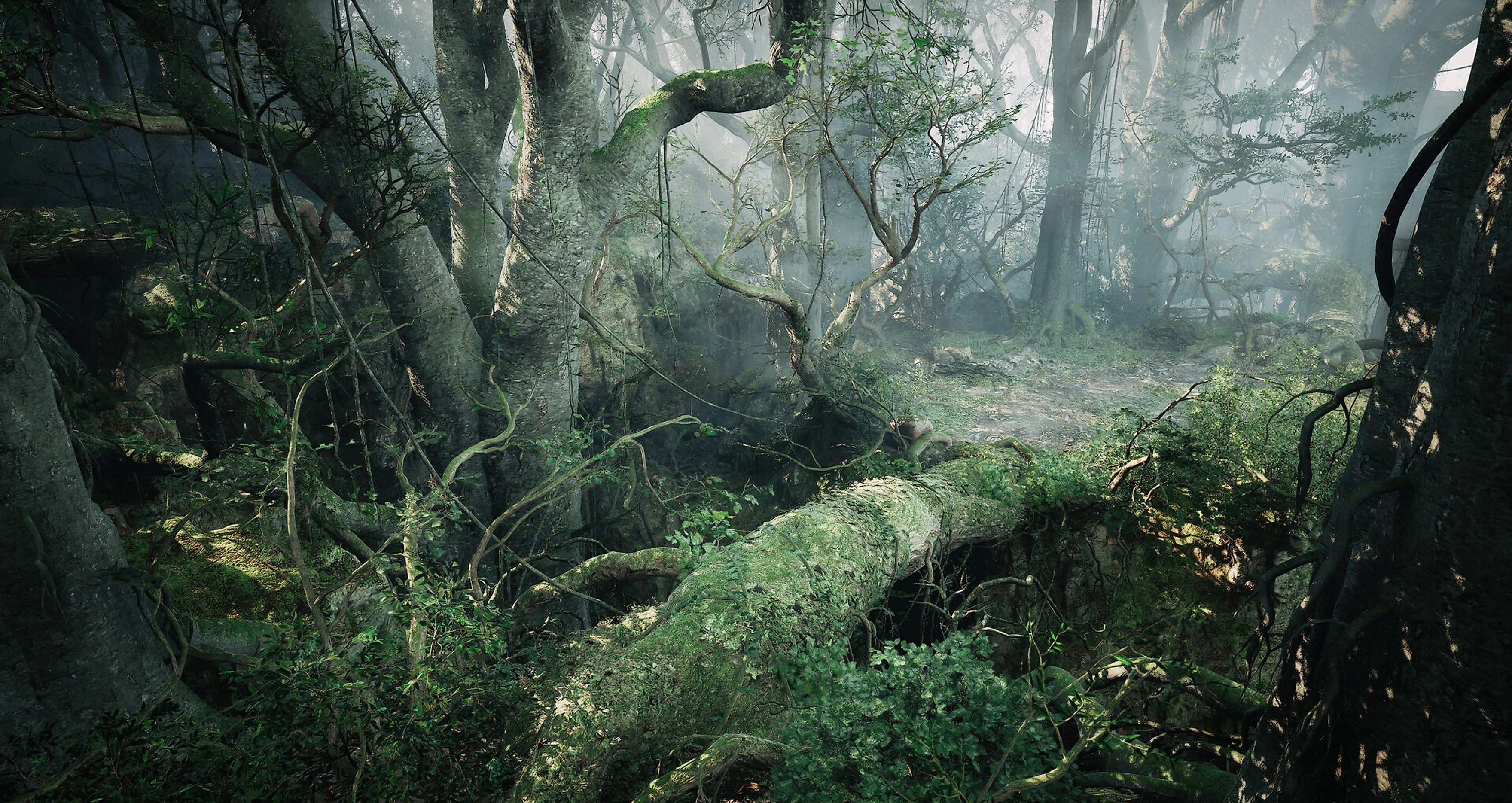
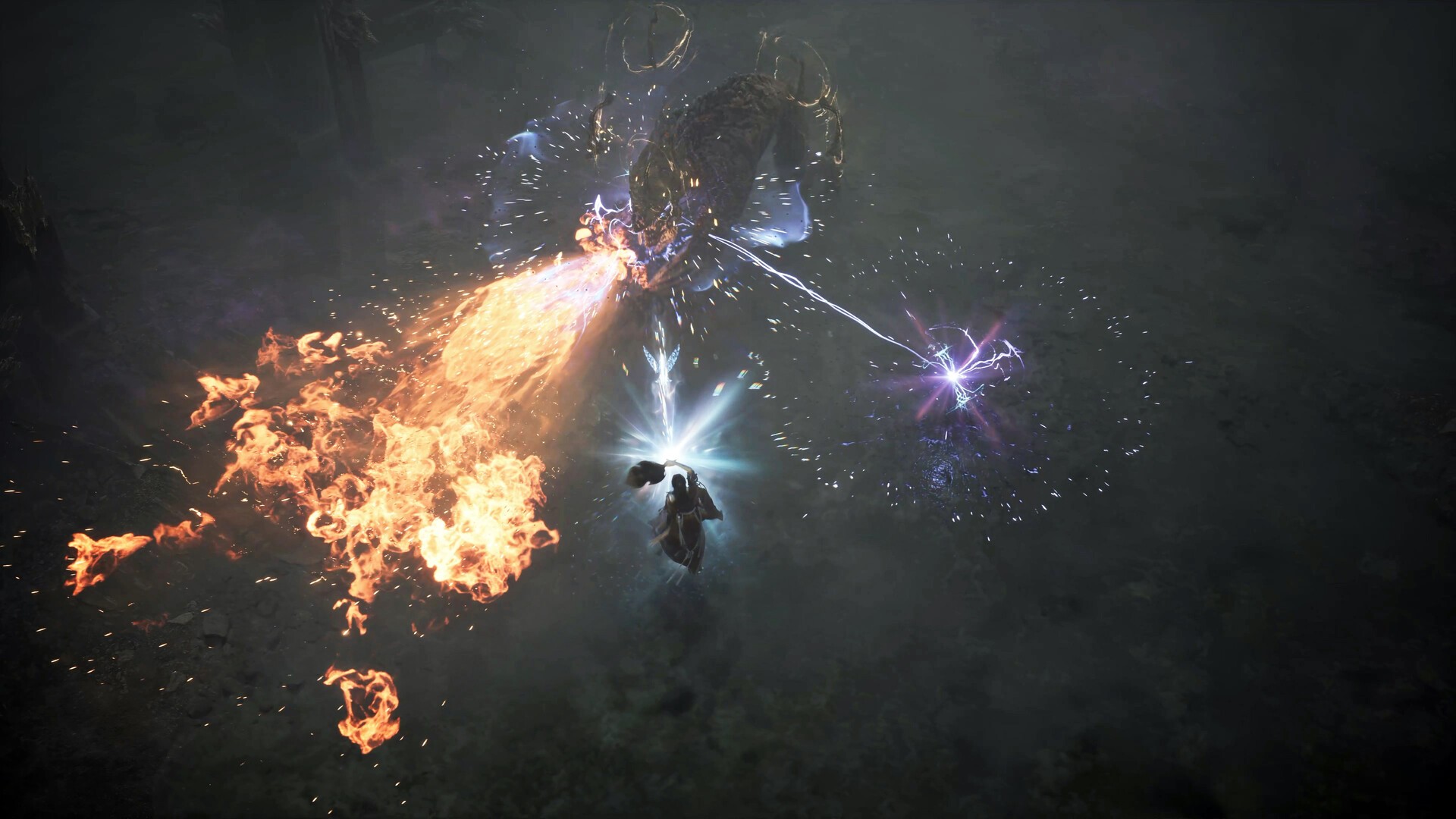
Jake: Do you think that there is anything creatively that being an isometric viewpoint allows you to do that another viewpoint wouldn't?
Ryu Myung-sang: The strengths of isometric view, I believe, is that you can have a wide look at the battlefield. And just as a hack-and-slash genre, you can sweep down the enemies with that wide viewpoint, and that's the strength of this isometric view in my point of view.
Jake: Could you describe the six characters that players can choose from?
In-young: We have six classes, and one of them is the Japanese swordsman, the melee character samurai. The characteristics of our game is that all the classes use different resources, and they have different combat styles. So for example, samurais, when a samurai uses skill, the samurai changes his stance on how to use the blade.
So you can use that stance to your advantage to strike the enemies harder, in ways like that. And also, we have a class called mansin, the Korean shaman, which is not playable in the demo. But it's a bit of psychic character, and she uses the power of God to summon things. But not only summon things, but sometimes, she can let the god come into her body and use that power.
And regarding the concept of these classes, we wanted their identity to show out. So we've researched actual occupations that existed in the history of East Asia. And among the things that we have researched, we selected the occupations that could appeal to the players.
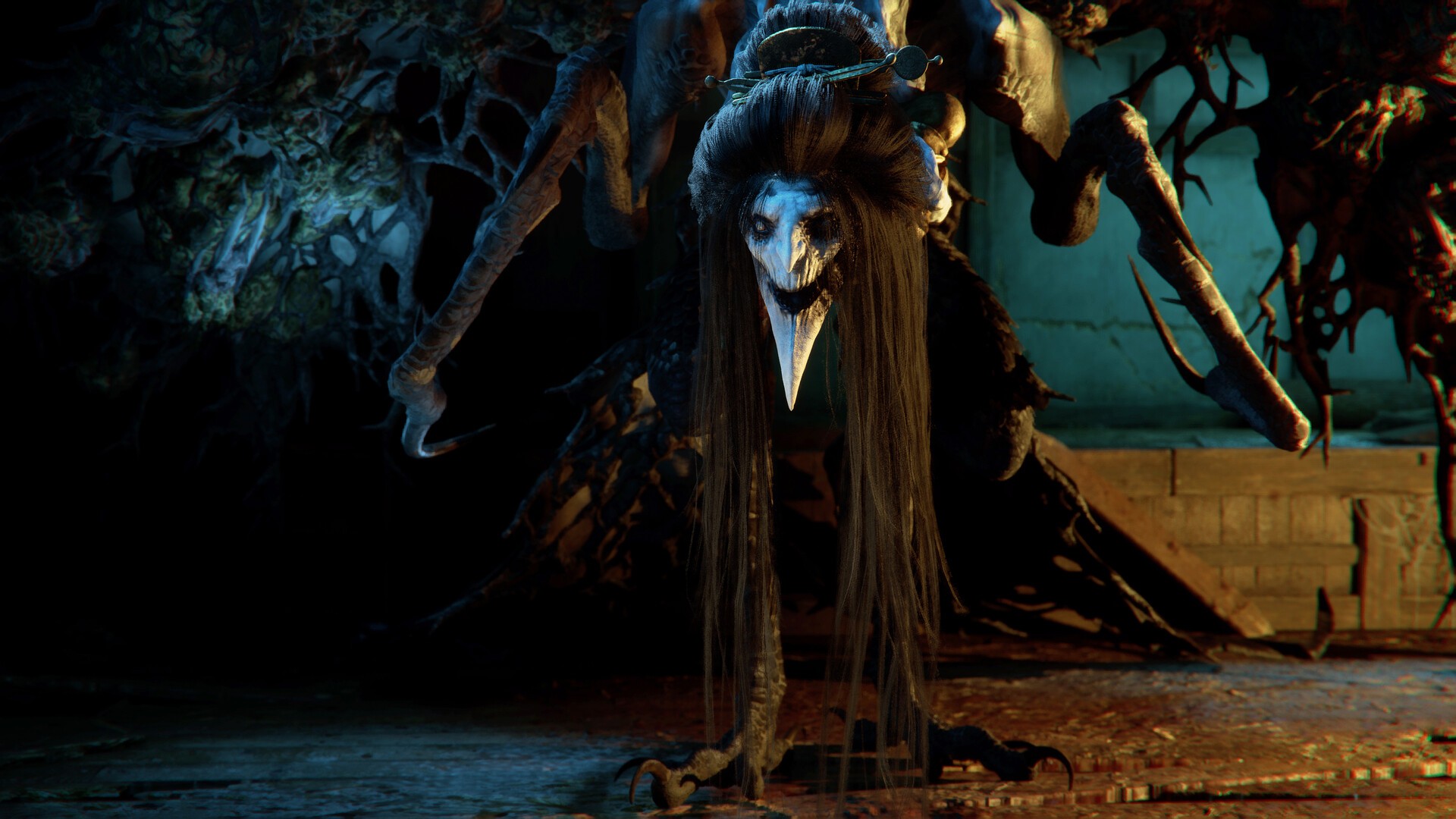
Jake: The creatures and the bosses, everything looks really good. It looks very crisp and detailed. I was curious when it comes to the bosses, though. The design process from inception to seeing where it is now, how long of a process is that, and what are some of the harder parts of putting that kind of stuff together?
In-young: It's different based on the concept, but what we prioritize is that each boss's concept is well merged in the combat style. So at the beginning, we have our concept artist and combat designer cooperating with each other from the beginning.
There are, of course, a lot of trials and errors. So first, we come up with a prototype, and we develop things on that prototype, and when we think it's enough, when we think we have the possibility and potential, that's when we put in the actual resources to develop that boss.
So how long would it take to come up with a boss? I cannot say, but based on the concept, it might take weeks. So if it's short, it might take about a month. If long, it'll take two to three months maybe.
So of course, the actions of our game is isometric in terms of viewpoint. But in order to deliver the narrative, we put in many cinematics in our game, and we want users to experience better quality. That is why we are trying to value the details of our characters. And because of optimization issues, the details might differ, based on whether it's a cinematic or just a top-down view combat.
There are some differences in modeling. However, we try to make the difference gap as least as possible. And in terms of how long would it take, it actually takes a lot of time, but still, we are working in that way because we want to keep the values and deliver the values.
Hunter Grooms: Then as far as systems, there's skills, traits, the yin and yang system. Could you tell us a little bit about those and what's unique to those in your game?
In-young: So each class have around 20 to 30 active skills, and they have five slots, to choose five out of those 20 to 30. But each active skill has also 20 to 30 utility skills.
So using the utility skills per active skill, you can expand and extend your skills. And in addition, each class have one special skill which shows the identity of each class. For example, mansin, the Korean shaman, her concept is that she can accept many different gods. So based on this special skill, which one you choose, you can try to grow an ability of certain god.
And regarding the traits, it's unique for each class, but it's the normal trait, the usual trait. But in terms of yin and yang system, it's our game's unique system. So in Asia, we say that certain characters are more tended to be more yin side or yang side.
And based on what kind of traits you choose or based on the item's options, a character's yin would go up or yang would go up. It will make difference in the abilities of your character. And when it is released, I think you will have better understanding when you see the UI.
Hunter: This might just be a no. Can we know how big the world is?
In-young: In terms of size, so our world maps are based on each act, and the size of the map for each act is around one kilometer by one kilometer, and we have six acts. And regarding the play time, it's going to be around 40 hours for the campaign, and that's the stage we are building.
Myung-sang: Just for your reference, the demo map you played is an actual area in act two, but what you played today is just 5% of the whole act two. So you can think that an area 20 times larger than what you played will be one act, and we have six ready.
Hunter: Is the plan to have additional DLCs or additions for more acts?
In-young: So in terms of our DLC direction, we are thinking of adding characters and scenarios.
Hunter: Obviously from our perspective from the West, we've seen games like Diablo and Path of Exile that are similar but much different. What do you think fans of games like that will really love about your game?
In-young: So actually, I have an answer to the core of your question.
So you mentioned that it's quite similar but different. So that was the direction Tarae was thinking of. So of course, we brought the basic structure of hack and slash genre, but we wanted to extend the experience and provide an action RPG combining both. You've played the demo today, so our basic direction was that on the ordinary fields where the ordinary monsters are existing, you can sweep down the enemies, and feel sense of achievement.
But at the same time, the boss fights are quite tense, so we wanted to balance that tempo between those two different combats. That's our core value and goal that we want to achieve.
——————-
This interview was conducted through an interpreter. It has been translated and edited for clarity and length.
——————-
Thanks to Xsolla, who helped us connect with devs for part of our Gamescom coverage. Xsolla works with developers all around the world, giving them tools and support to help them launch, grow, and monetize their games. But one of the biggest reasons why we wanted to partner with them is because they invest back into their devs. This year, Xsolla had 20 different developers flown out to Gamescom to help them connect with others, allowing them the opportunity to showcase their game, make important industry connections, and all in all, get their game in front of more people. And that's the kind of support I love to see for developers, and especially indies out there, so again, a huge thank you to Xsolla.
AUTHORS
Share this story


