

Inside Control Resonant
Ari Makkonen, senior level designer on Control Resonant, discusses Dylan Faden's story, the Aberrant weapon, and what it takes to build a zone from nothing
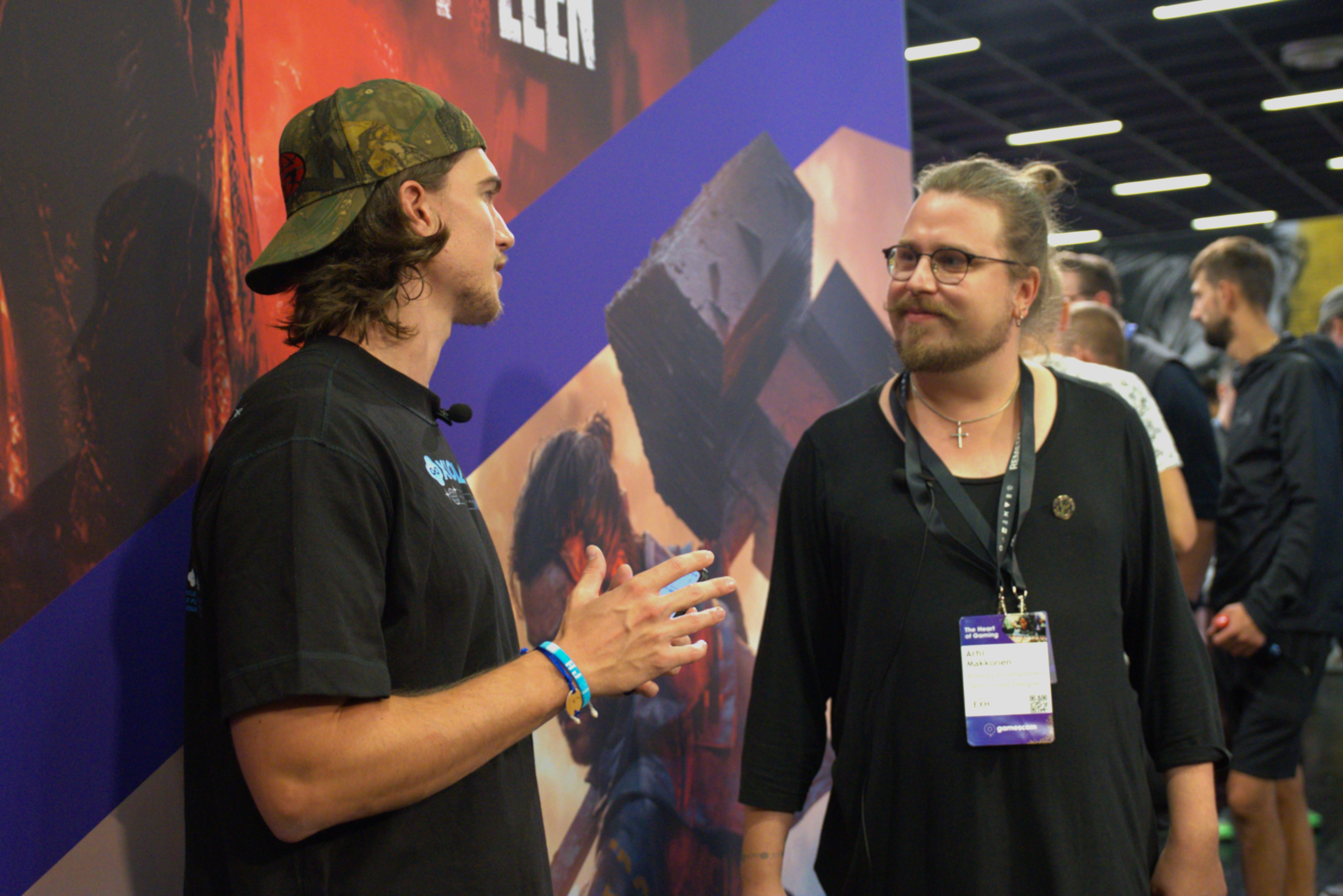
Jake Lucky: We are here with Ari from Control Resonant. We usually try and kick things off with an introduction of your role and your name, just so people know, if you don't mind.
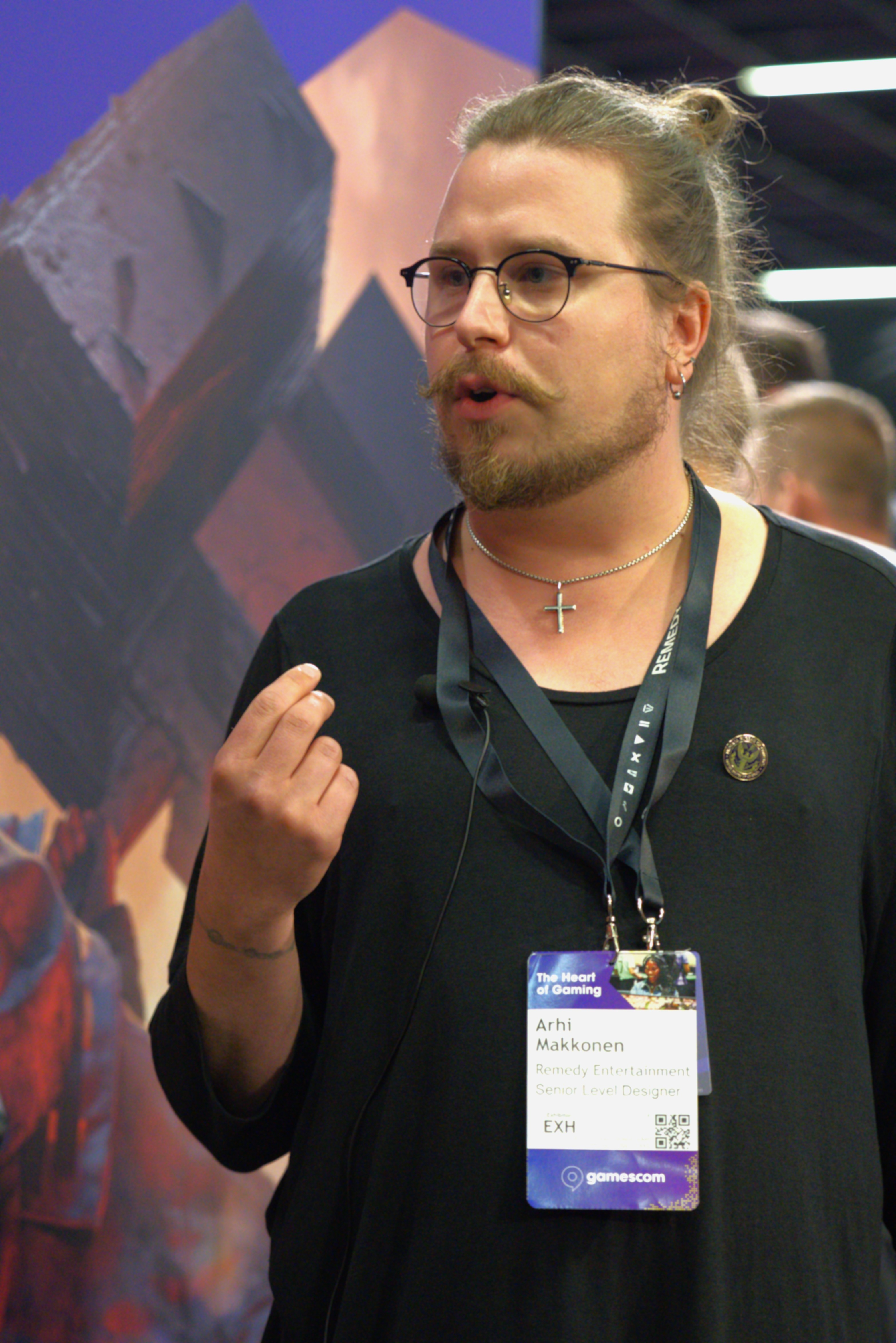
Ari Makkonen: I'm Ari Makkonen. I'm a senior level designer on Control: Resonant.
Jake: When it comes to the design side, for people who just hear the title of what you do, can you describe in a bit more depth exactly what you do on a game like this?
Ari: Level designers basically figure out what the experience is for the players, how the game should feel, and what the structure is, how the levels feel. We are involved from start to finish. We try to make the first playable version and then work with the other crafts and try to get the game as fun as possible.
Jake: For first time players who maybe haven't played the original Control, how would you describe a game like this?
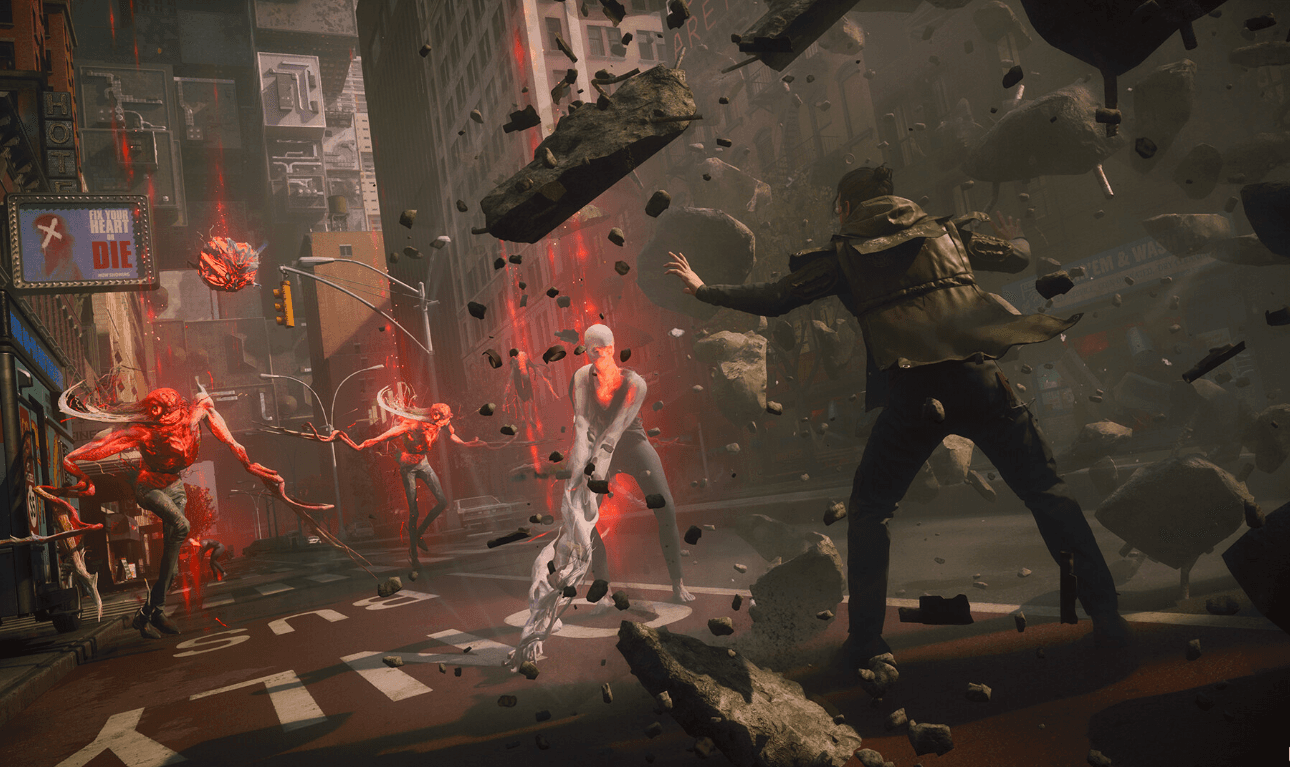
Ari: It's our upcoming action RPG. You will play as Dylan Faden, who wakes up six years later from the original game, from a coma, and finds out there's a new danger, a preternatural threat threatening all of Manhattan. At the same time, Jesse has gone missing. So you wake up new to the world, and you go out and start saving the day and exploring around.
Jake: How would Dylan relate to Jesse? For new players who are thrown into the lore, how do those two characters relate to each other?
Ari: They are siblings, and they are very close, but they were also separated when they were children. In the first game, Jesse comes into the Oldest House, which is the strange location where the first game happens, and tries to find her brother Dylan. And now in Control: Resonant, Dylan wakes up and goes outside of the Oldest House and tries to find his sister Jesse.
Jake: Has this game also taken place in a different location than the first?
Ari: The Oldest House is in the middle of Manhattan. Now we are in Manhattan. But it's our version of Manhattan. It's a strange place, so there is always this preternatural layer on top of the city.
Jake: With the Oldest House being a focal point of the first game, is it still a focal point here, or has that shifted to something else?
Ari: It is still there, and we have a playable moment in there as well. The Oldest House is for sure part of the game, but there is plenty of things outside.
Jake: You follow a main protagonist in Dylan, who is a sibling to Jesse. But they each also have different powers. Can you describe how those powers differ between the two?
Ari: You play only as Dylan. Jesse is not a playable character. Dylan has a set of new abilities, all kinds of stuff. There is also something familiar traversal-wise. We can still levitate. But then there is a lot of new stuff, like a complete set of new combat abilities, a new weapon called the Aberrant, which is this cool shifting weapon that can form any shape. And Dylan is more aggressive, more melee, more close-range.
Jake: Do you have any interaction with the Aberrant or that side of things, where you get to see how it interacts in your environments?
Ari: That is your weapon. You press the button and it shapes into something new, and then you hit. There is also a lot of narrative around the Aberrant. When you go to the Gap, you can actually see this huge version of the Aberrant in the Gap, which is this liminal space inside of Dylan's head. So it is almost like a living thing that we are using as a weapon.
Jake: People who don't know, it's a weapon that can change into any shape or form.
Ari: Any shape. One button press, it's two daggers. You strike. On a second press, it's a huge hammer. You're crushing somebody.
Jake: From your design role, what does that shape or change about what you do day to day?
Ari: Gameplay design does most of the actual systems, the rules of the game. We figure out, we get the toys, we make the game fun with the toys. As level designers we do encounters, puzzles, exploration content, all that. But we get that set of toys and what the character can do from the game design and gameplay teams.
Jake: When it comes to filling out a game like this, what has been one of your happiest moments or most fun days of trying to fill out these different environments?
Ari: When I'm designing the zones, it's a struggle at first. How to connect everything, how to find the shape that is understandable but also exciting to explore. And then when you see in testing, people actually find the things, and they find the shortcuts, and they are going around there. That's the great moment. Like, it actually works.
Jake: How long of a process is that? What's the timeline like where you start a zone? It's bare bones, there's nothing in it, to when it's done.
Ari: There is nothing at the start. It's years of work. We go first very rough, just about the shape, and then add more detail. But it starts from the experience. I really want this zone to feel like something. And then I start to figure out where is the big quest here, and then from there, where the side quests happen, where the world encounters happen. First from the big shapes, then fill in the details.
Jake: Can you give an example from this game? Is there a certain area that comes to mind?
Ari: Zone Central is very interesting. It's this FBC occupied zone in the middle of all the other zones. First we need to guide the player to the middle where we have a cool field office, like an FBC base. But then when they get there, we open up the full thing, and now there are multiple paths and open areas where you can find all the other zones. That was complicated to make because we really want it so that when you are in Central, everything still physically connects. So you really need to have that puzzle in place.
Jake: That's interesting from your role, especially in a game where there's more of a narrative, or at least they are going somewhere, so you have to also think in the mind of the player and where they might wander off to.
Ari: Yes. We have a lot of freedom there, and you can decide which order you do things, and many times the order comes from what you just happen to find in the world. So I really need to figure out what kind of stuff they find first. And of course some players might find things in a completely different order than I was designing. That's fine. That's great for me.
Jake: How do you balance for something like that? Is there an internal playtest where they walk through it and you find out where they might go first and then where they might look second?
Ari: First we show the team, but that doesn't really represent real players. We test a lot with actual people, and that gives the information. We take that very seriously. We have constant playtests with people coming in, trying out the build, giving feedback, and then we try to react to that feedback.
Jake: From the design side, what do you find to be the hardest part of what you do?
Ari: The hardest thing is our very cool abilities. We have the gravity anomaly, the shift, so you can change gravity. You can levitate, you can double jump. Dylan is just a very agile character. And now if I want to have a moment where we are first in the streets and then you find the rooftops, and now there's completely new stuff up there, it's very hard to keep the actual player from going straight to the rooftop. We don't try to do that too much because we want to have the freedom, but sometimes we really need to because that makes the full area much cooler. And that takes a lot of work, first designing it myself, but then communicating it with everybody else so artists know what we want there.
Jake: Aside from obviously wanting the game to sell well, what brings you satisfaction in your work?
Ari: Just to see it get out and people playing it. That's the biggest thing. We've been working long and hard on the game, and now seeing people trying out the demo here, and soon in less than a month people are going to actually play. That's going to make my day. On a bad day I will go on the internet and see people streaming or something like that. That's the best.
Jake: Last one for you. Who do you think this game is made for?
Ari: It's made for anybody who likes action RPGs, but also a lot of adventure and exploration content. You don't need to have played our previous games. If you do, you get a much deeper understanding of the lore. But this is a great game to start with. So I would say anybody who loves action RPG exploring adventure.
Jake: Awesome. That's all I have for you. Thank you very much.
Ari: That was great.
———
Thanks to Xsolla for sponsoring our Gamescom coverage this year. Xsolla works with developers around the world, giving them tools and support to launch, monetize, and grow their games. This year, Xsolla had a scholarship program that flew 20 indie devs from across the world out to Gamescom, giving them the opportunity to showcase their games, meet the industry, and get their projects in front of more people.
———
This interview has been edited for clarity and length.
AUTHOR
Share this story


