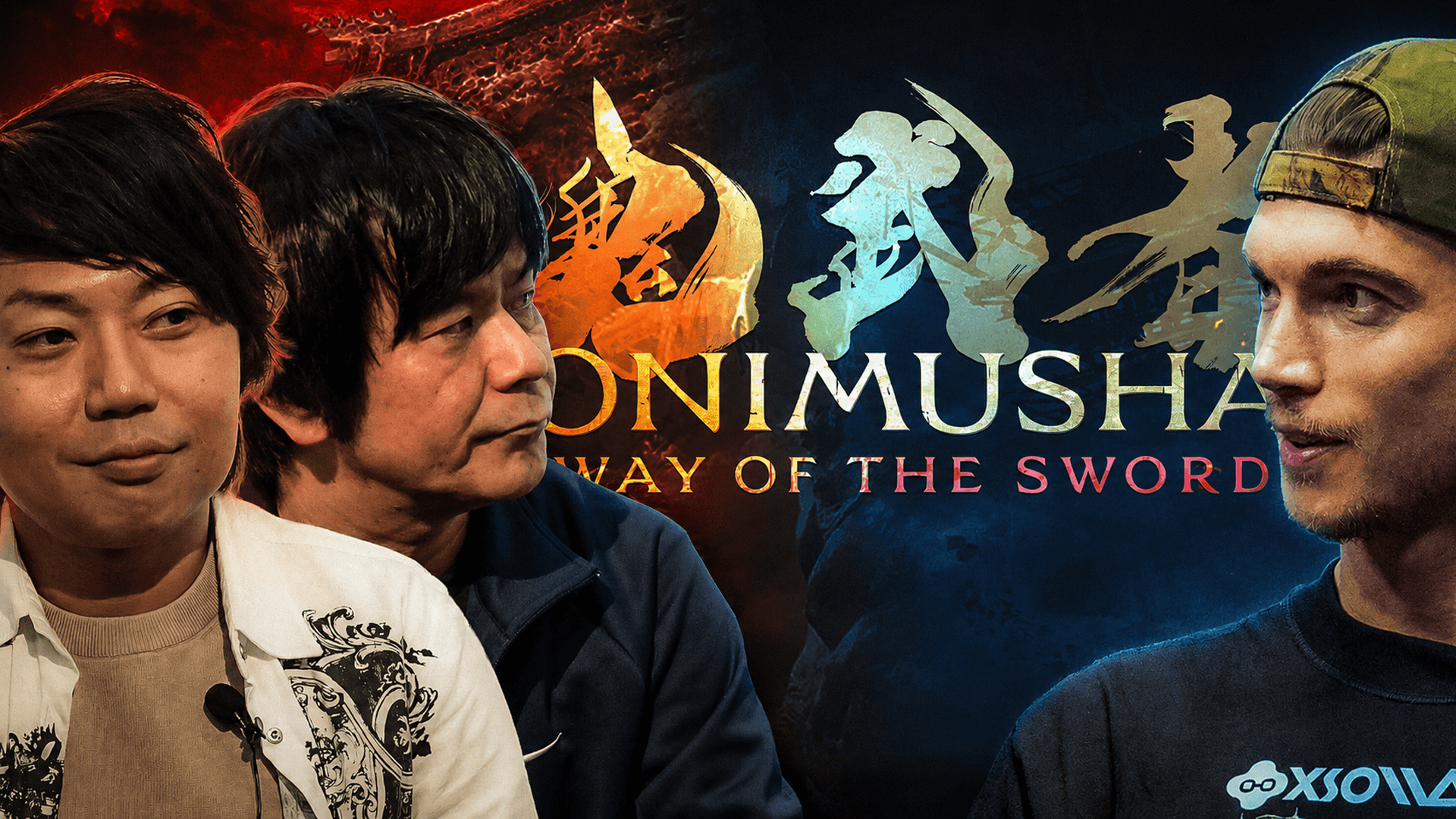


Inside Onimusha: Way of the Sword
Satoru Nihei and Akihito Kadowaki of Capcom discuss the series' return, its historical setting, and the combat systems defining the new entry.
Jake Lucky: For players who are new to the series, what story are they stepping into with this entry?
Satoru Nihei: This is a completely new timeline for the Onimusha series. It does not connect to any particular point in the previous games.
Jake: This is the first mainline release in 20 years. What has the team carried forward from the original games?
Satoru Nihei: The Oni Gauntlet and the soul absorption mechanic have always been core to the series, and we have kept those as a foundation. The dark fantasy setting blended with elements of real Japanese history is also something that has defined Onimusha from the beginning, and we have worked to maintain that with this new entry.
Jake: The game is set in Kyoto. Can you describe the world and the historical period players will be entering?
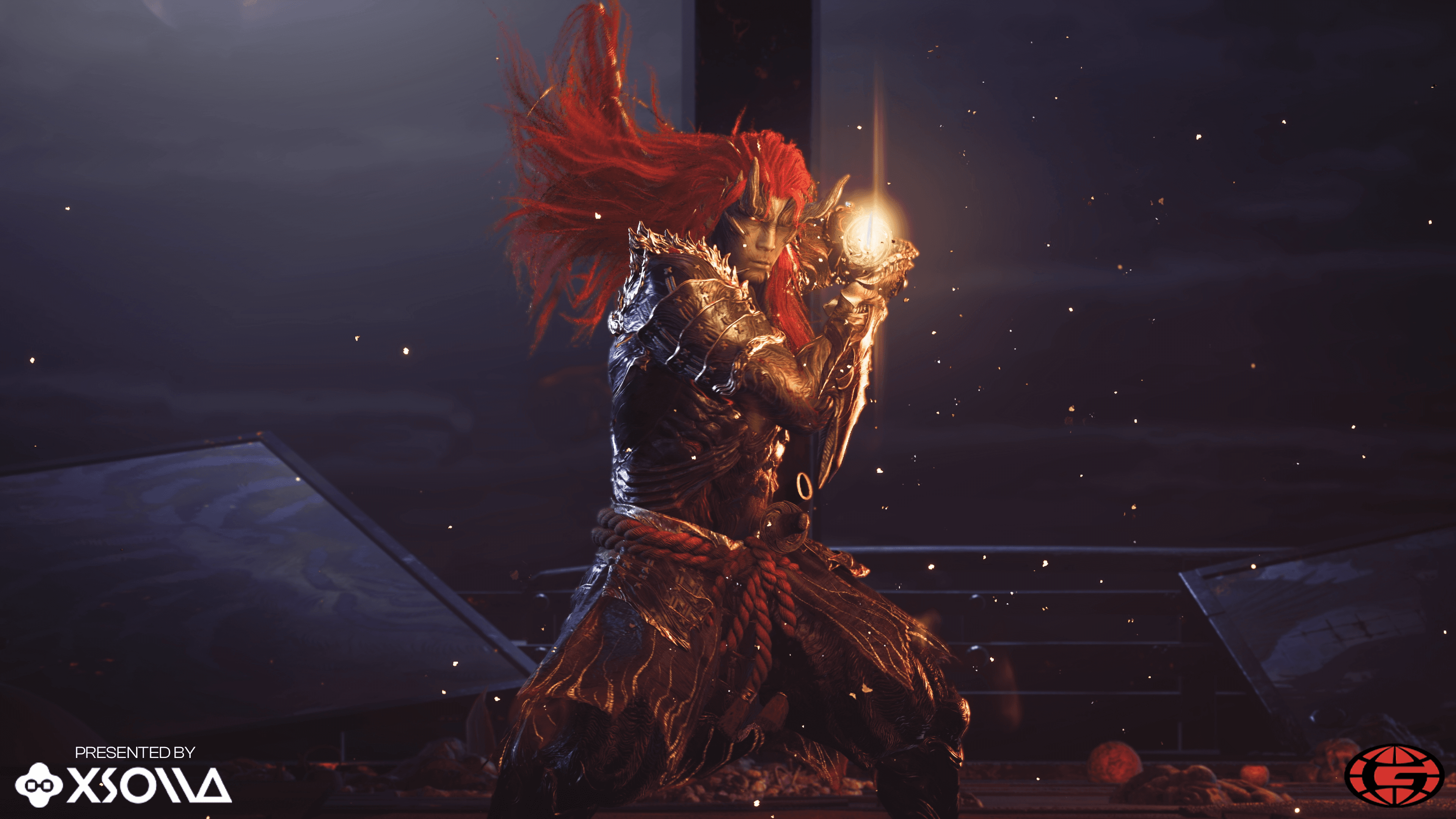
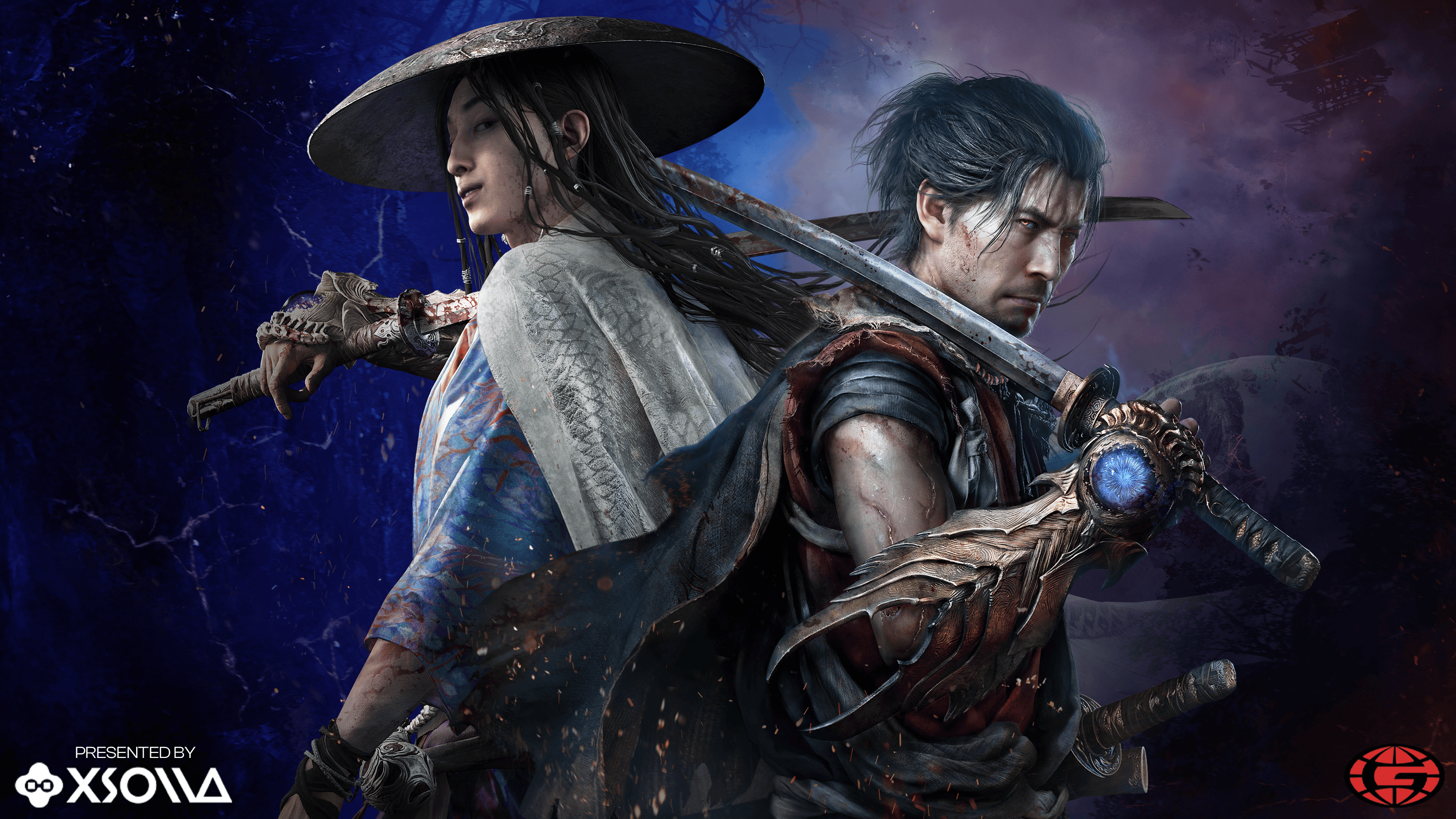
Satoru Nihei: The setting sits just after the Warring States period, the Sengoku era. Things have begun to settle, and we enter Kyoto in the early Edo period. This is also the era in real Japanese history when Miyamoto Musashi came to Kyoto seeking to establish himself as a legendary swordsman. That combination of time and place was one of the main reasons we chose this particular setting.
Jake: Why was Miyamoto Musashi the right protagonist for this game?
Satoru Nihei: Musashi is one of the most legendary swordsmen in Japanese history. In the stories of his rise, he fought countless duels without ever losing, and he mastered many weapons, not only the katana. That felt like a natural fit for the Onimusha world.
There is also an interesting tension at the heart of his character. Musashi wants to reach the top through his own strength alone, but he has been granted the Oni Gauntlet and its power, which he does not want. For him, using it feels almost like doping, where he wants to become the best there is on his own. That contrast creates a very different kind of hero compared to previous entries in the series.
Jake: Is this a game with branching paths, or does the story follow a set direction?
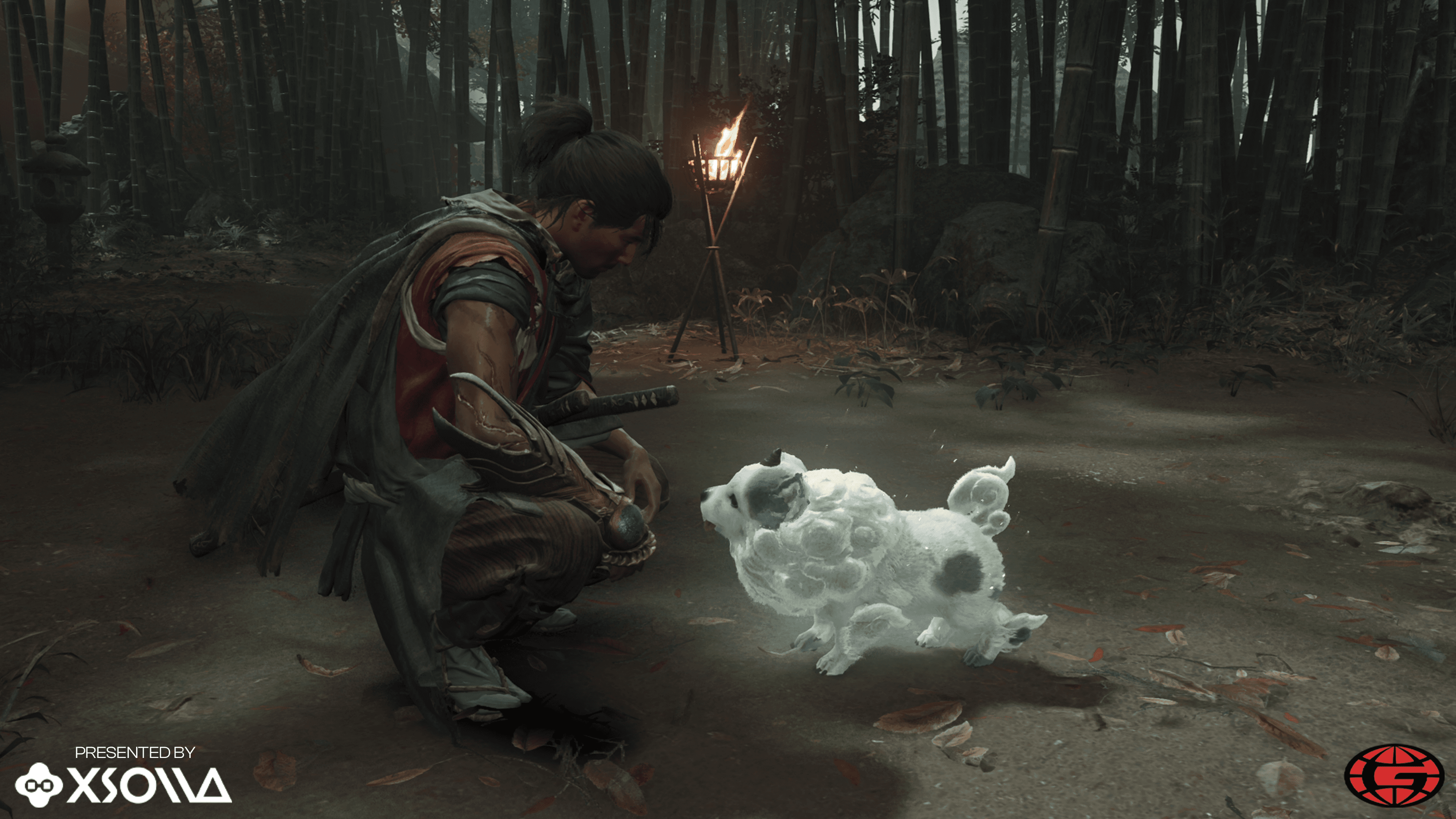
Satoru Nihei: The story follows a set path rather than branching based on player choices. We had a very specific story we wanted to tell, focused on Musashi's growth as a person. He is battling the Gemma, but he is also forming relationships with the people around him and developing as an individual. That element is the true focus of the story.
Jake: What has changed most about the combat compared to previous entries?
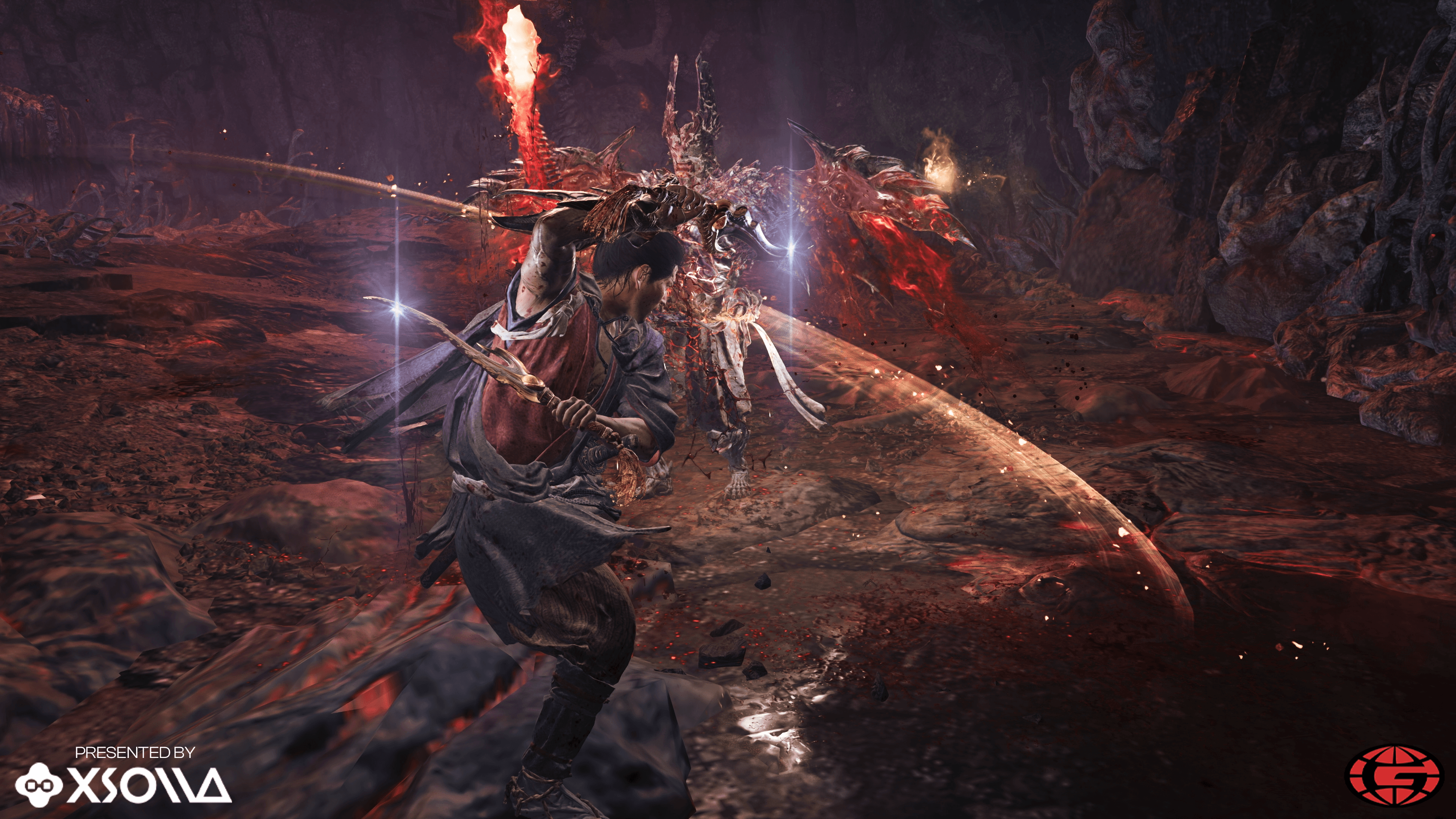
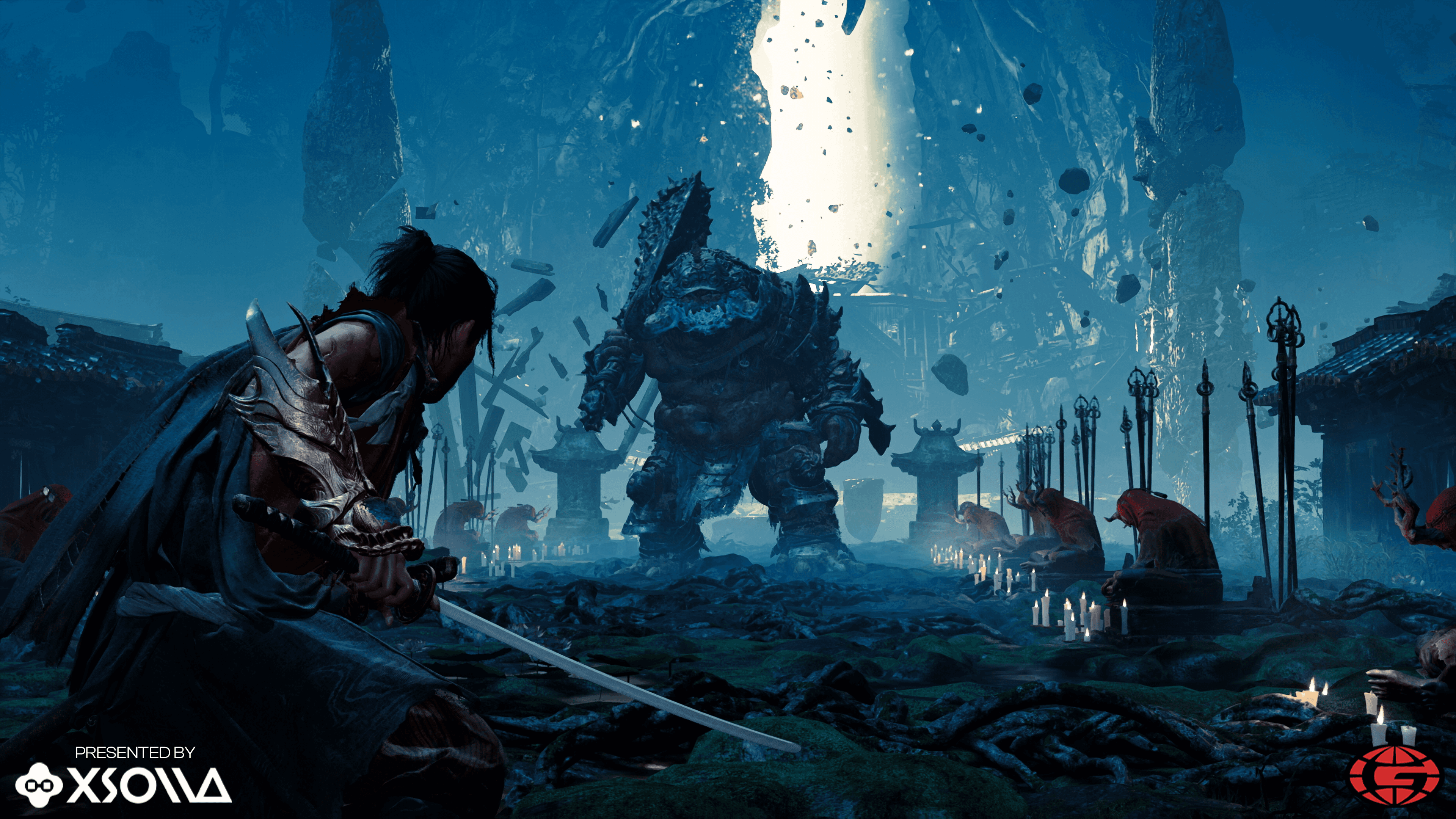
Satoru Nihei: We have introduced several new mechanics. The parry system is entirely new to the series. If you pull off consecutive parries, you enter what we call the Blazing State, a powered-up mode marked by a blue flame. Alongside that, the deflection system allows you to deplete an enemy's stamina completely, pushing them into an exhausted state where you can perform a Break Issen.
The Break Issen was something we wanted to introduce from very early in development. Even players who are not experienced with action games can execute it once an enemy is exhausted. In boss battles, you can target specific body parts and choose between maximizing damage or collecting extra souls.
Akihito Kadowaki: For me personally, the Break Issen is the standout. It just feels really good to do, and it has great benefits as well. It is also very accessible to a wide range of players.
Satoru Nihei: We also have a dynamic dismemberment system. When you perform an Issen and cut through an enemy, they come apart at the exact point of the cut. That level of fidelity was only possible with the technology available to us now, and it adds a great deal to the impact of the move.
Jake: What do you think makes a great sword-fighting game?
Satoru Nihei: Balance is the most important element. You cannot have enemies constantly overwhelming the player with no openings, but you also cannot have the player simply cutting through everything without resistance. The back-and-forth tension between those two extremes is what makes sword combat exciting.
Equally important is giving players freedom of expression. We want people to fight in the way that suits them, with enough tools and options to develop their own approach.
Jake: How do you distinguish between difficult combat and satisfying combat?
Satoru Nihei: Difficulty is important, but it has to serve the experience rather than exclude players. We do not want someone to walk into a boss fight and win on the first attempt without any real effort, but we also do not want players who are less experienced with action games to feel locked out.
That is why we offer two difficulty modes. One is designed for players who want a challenge they can work through without being overwhelmed. The other is for experienced action game players who want a higher level of difficulty. Having both options means every player can find the right balance for them.
Jake: What part of the development process do each of you find most satisfying?
Satoru Nihei: For me, it is the early conceptual stage, when you have a small, tight team and you are just trying to work out what you want the game to be. Testing ideas and seeing what sticks is personally the most enjoyable part of development.
Akihito Kadowaki: I have two moments. The first is the prototype stage, when you finally have an early version of the game running, and you can see it come together. The second is right now, just before release, when the game is finished, and people are getting their hands on it for the first time. Seeing those reactions and feeling the excitement build is something I enjoy enormously.
Hunter Grooms: What is the process that goes into designing a boss, from balancing the difficulty to building their personality and move set?
Satoru Nihei: We want each boss to feel unique and memorable. Many of the bosses in this game have dialogue, distinct characters, and their own histories and backgrounds. We want players to latch onto them, to find them fascinating or even to have favorites. Creating that sense of character is something we focus on heavily when designing each boss.
Thanks to Xsolla for sponsoring our Gamescom coverage this year. Xsolla works with developers around the world, giving them tools and support to launch, monetize, and grow their games.
This year, Xsolla had a scholarship program that flew 20 indie devs from across the world out to Gamescom, giving them the opportunity to showcase their games, meet the industry, and get their projects in front of more people.
AUTHORS
Share this story


